Most AI systems shouldn’t be built.
We find the ones that should.
Every engagement starts with a fixed-fee diagnostic: where your operation leaks time and money, and what each fix is worth. Nothing gets built without a business case.
From diagnostic to production, the same senior team stays accountable.
The principal consultant takes the call. If a diagnostic isn’t worth your money, that’s what you’ll hear.
$7.85M through one sales command center in nine months: 2,367 deals, 91.5% collected or on schedule. Case study →
Three stages. Each one has to earn the next.
A 30-minute call
A working conversation. You learn whether we see a credible gap; we learn whether your company is a fit. No charge, no pitch deck.
The Diagnostic
Four to eight weeks inside your operation: where value leaks, what fixing it costs, what it returns. You leave with a costed roadmap, an owner and price against every recommendation, and a list of what not to build.
Build & operate
Only what the diagnostic justifies. Mercury’s implementation team delivers against named outcomes and acceptance criteria. What we build, we can also run. Scoped separately, like everything else. Some clients stop at the roadmap and build internally. That is a fine outcome.
What the Diagnostic delivers.
A measured baseline of your key workflows: where time and money actually go.
A prioritized roadmap: every initiative ranked by expected value, implementation effort, risk, and time to evidence.
For each recommendation: an owner, an implementation cost, a risk assessment, and the number it will be judged against.
A clear list of what not to automate, and why.
A walkthrough session with your leadership team, and a versioned final package.
Measured from interviews and system exports, not estimated from headcount.
Three of five candidate initiatives were declined in writing before any build was scoped.
Each phase carries an owner, a cost and the condition that must hold before the next one starts.
SAMPLE PAGES FROM A REAL DIAGNOSTIC, ANONYMIZED AND ABRIDGED
If you want to know what your version of page four would say, start with the call.
Book a 30-minute callA launch-based education company put $7.85M through one sales command center in nine months.
Sales operations spread across five systems and hand-built spreadsheets. Roughly twenty minutes of manual handling per closed deal, and sixty-plus hours of manual work per week company-wide.
One application between the CRM, the payment processor and the course platform, on a single source of truth. Three weeks from diagnostic to production. No platform migration.
$7.85M booked through the platform across 2,367 deals; 91.5% of it collected or on schedule, against roughly half the cash floating untracked before.
“Deals that previously cooled during manual handling now close while the customer is still on the call.”
“In my years of experience, I’ve learned to recognize the difference between a vendor and a true strategic partner. Damir is unequivocally the latter. … We presented him with a blank canvas and an ambitious goal: to create a unified ecosystem for our entire business. In less than two months, they delivered a solution that not only meets our current needs but is also built to scale with our future aspirations. … Damir is a true force multiplier.”

PETER SAGE · TRANSFORMATIONAL COACH, PETERSAGE.COM
“What they delivered in under four months was nothing short of remarkable. Mercury didn’t just build us a tool; they delivered a strategic asset that is directly contributing to our bottom line.”

NICK BELL
HEAD OF SALES, INFLOWSALES.COM
“From an operational standpoint, the system Mercury built for us is a masterpiece of efficiency. The result has been a dramatic reduction in manual work, fewer errors, and a much smoother end-to-end process.”

AARON LEE
COO, QUANTUM TRANSFORMATIONS, LLC
“Damir took the time to understand our specific challenges and designed a system that is not only comprehensive but also incredibly intuitive to use. The impact on our team’s productivity and morale has been profound.”

VALENTINA MICHETTI
LEAD PM, MOC CONSULTING & TRAINING SL
“There is surely nothing quite so useless as doing with great efficiency what should not be done at all.”
Who we work with.
One filter: you own the outcome and the budget to fix it. Founder or business-unit leader. If our findings would land on someone else’s desk, we’re the wrong fit.
The people you meet are the people who do the work.
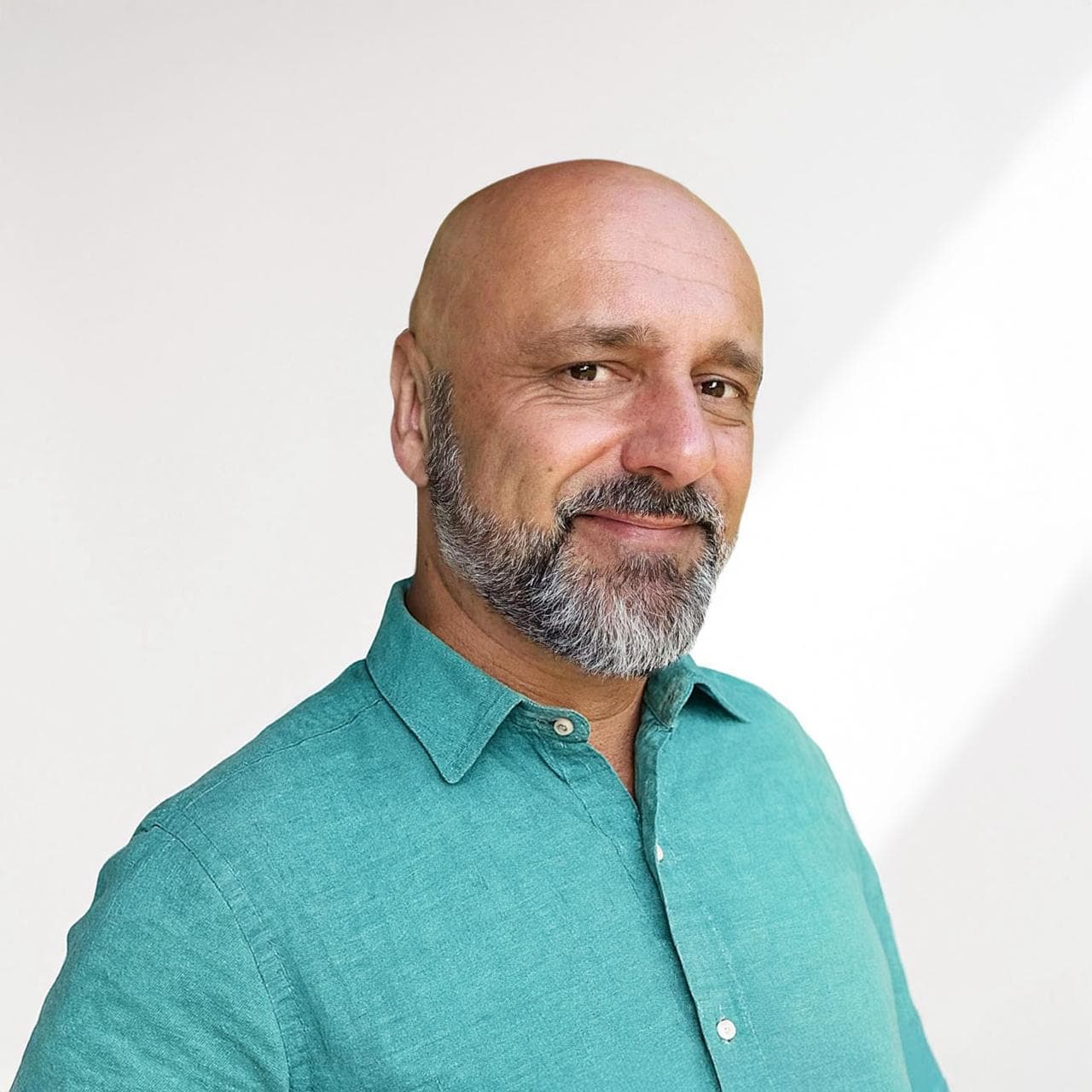
Damir Mujic
Internet veteran: 25+ years building, scaling, and securing digital infrastructure. Certified AI Consultant (USAII®); served as internal auditor for ISO 9001 and ISO 27001 certified systems. He takes the first call himself.
LINKEDIN ↗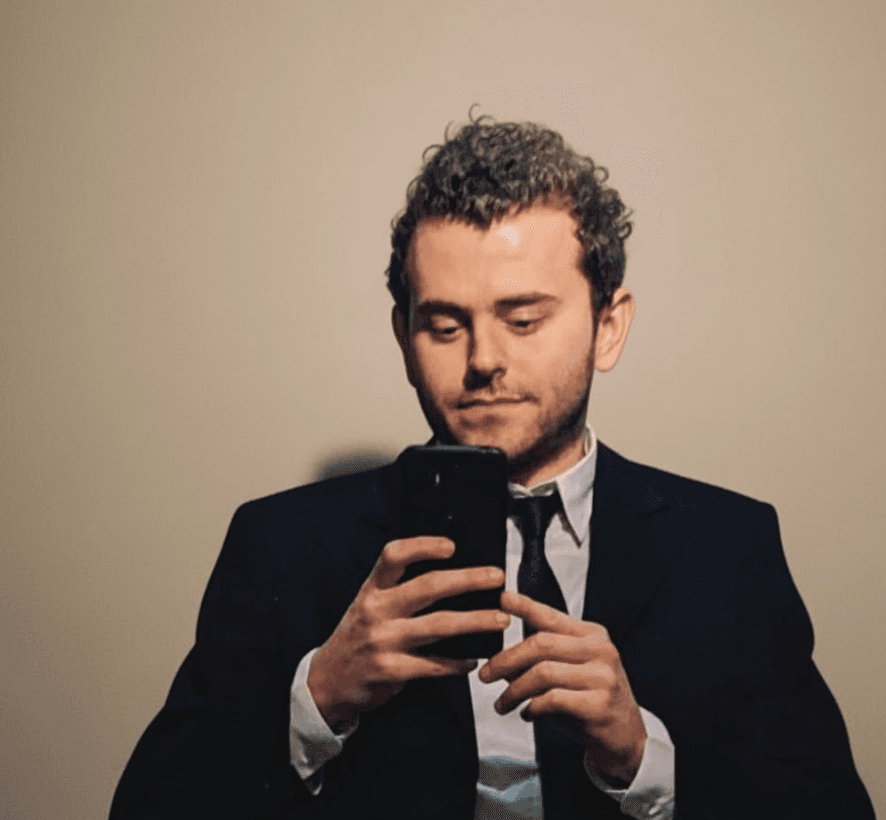
Dino Masic
Specialist in process management and workflow orchestration; turns diagnostic findings into reliable production systems. Owns the build stage: named outcomes, acceptance criteria, and documentation that survives handover.
LINKEDIN ↗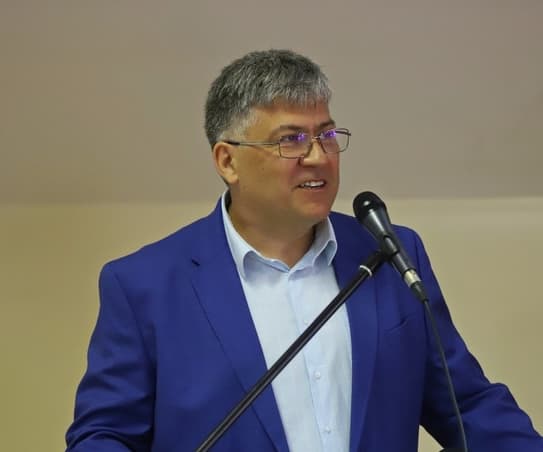
Tomislav Ostojic
AI researcher and computer science educator, completing his PhD in Artificial Intelligence. Keeps Mercury’s methods grounded in current research rather than vendor marketing.
LINKEDIN ↗How we handle your information.
Your material never enters a public model or a training set. Data is used for the engagement, and runs under zero-retention terms.
A mutual Non-Disclosure Agreement is in place before any material changes hands.
A DPA is signed alongside the NDA: what we hold, where it lives, how long, and who is notified if anything goes wrong. GDPR terms where they apply.
Access is limited to the named team on this page. If outside specialists would strengthen the work, we name them and ask for your approval first.
We work to ISO 27001 principles for information security and ISO 9001 for quality control.
At the end of the engagement we return or delete your material on request, and confirm it in writing.
Asked on most first calls.
We already use AI tools. Why a diagnostic?
A tool gives someone a faster way to do a task. An automation takes the task off a person’s desk. An operational change decides what the business does with the freed capacity, and that is where the money shows. Most companies stop at the first. The diagnostic prices the whole operation in dollars and labels which of the three each recommendation is. The result may be fewer tools, used better.
Why not hire someone in-house?
Most AI-lead hires are engineering roles. They can build well; deciding what deserves building is a business call, and that is where AI projects usually fail. Our engagements pair senior business judgment with the engineering, on the model leading AI labs use when they deploy engineers into client businesses. If in-house is still the right structure, the roadmap will say so, down to the profile you should hire.
Who exactly does the work?
Damir and Dino, with research support from Tomislav. The people on this page are the people on your engagement. The work is senior-led and run in-house; outside specialists only with your approval.
What if the diagnostic finds no strong AI case?
The report says so plainly. You still receive the baseline, the prioritized fixes that do hold, and the list of what not to automate. We do not build without a case.
Do you implement, or only advise?
Both, in that order. We build only what the diagnostic justifies, with named outcomes and acceptance criteria. Some clients take the roadmap and build internally.
Who runs the system after the build?
You own the code, and everything ships with documentation and a working handover. Our preferred model is that we stay: run and maintenance are scoped separately, with a service level and a small-change budget, so the system keeps pace as your business changes. Running it internally works too; some clients do exactly that.
Are you tied to a vendor?
We are vendor-neutral: an OpenAI Select Partner that ships Claude in production. We work across the leading model providers and infrastructure, and recommend what the evidence supports.
How much of our time does this take?
Bounded, and agreed before we start. Expect interviews with you and the people who run your key workflows in the first two weeks, then short weekly check-ins. The analysis is our work, not homework for your team. The walkthrough at the end takes half a day.
Can we speak to a client?
Yes. Client references are available on request.
How is the diagnostic priced?
A fixed fee, agreed before we start. Most diagnostics run between $15,000 and $25,000, depending on scope. Half is due at the start, half at delivery. Build work, when the roadmap justifies it, is scoped separately.
Start with a conversation.
If we’re not the right fit, we’ll say so and, where we can, point you somewhere better.
A 30-minute call with the principal consultant. No deck, no pitch: we look at where your operation is losing time and money, and tell you whether a diagnostic is worth your while.
We deliberately limit concurrent diagnostics so the named senior team stays directly involved. Every engagement is senior-led and run in-house.